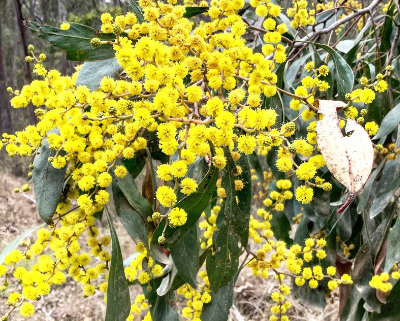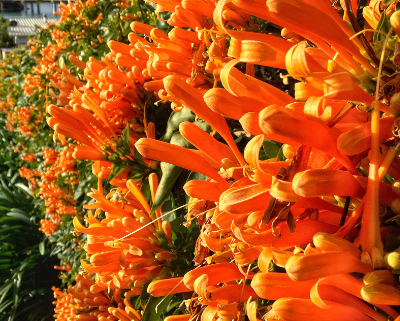

Proteus would be proud
by Mark Evans
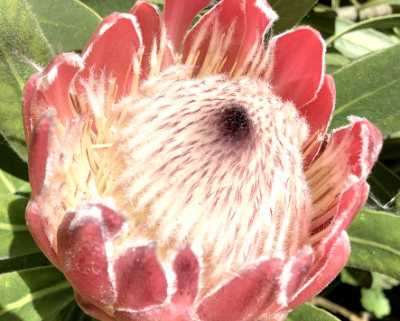
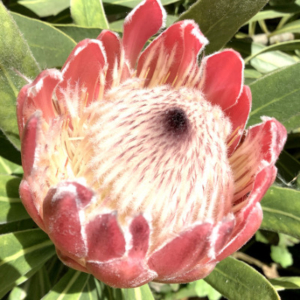
Proteus, the Greek sea god who could change shape at will, gave his name to the plant family Proteaceae, via the genus Protea. When Carl Linnaeus encountered plants that varied wildly in flower, leaf and habit, he knew exactly what to call them.
The Proteaceae family now includes around 83 genera and some 1,700 species. Australia is the great stronghold, holding roughly half the genera and the majority of species, including … Read more »


by Mark Evans
Most people assume the best time for planting out and expanding the garden is when spring arrives. It feels logical. Plants come alive again after winter, nurseries fill with colour and renewal is in the air.
As summer ends, gardeners become very aware of how much water they have used just to keep plants alive. At this time of year, water is usually seen purely as a necessity, applied carefully and often anxiously. Yet water plays another role in gardens that is equally important.
Red, green and white are among the most popular colours associated with Christmas. This iconic combination is often linked to the English holly (Ilex aquifolium), with its evergreen leaves and bright red berries. Amid the European snow, holly symbolised hope during the depths of winter and was central to ancient solstice celebrations long before Christmas as we know it was celebrated.
Rather than risking overwatering our indoor plants and having water spill out of their saucers, we water them from below, filling the saucer and letting the soil absorb the water. If the plant is really dry, this needs to be repeated several times until an equilibrium is reached, with some water remaining in the saucer to be slowly taken up over the ensuing days. This same principle underpins wicking beds, an