Please be weed aware
 Bermagui Dune Care spends a lot of time and money (through Bega Valley Shire grants) on weeding, and we’d really appreciate residents’ and landowners’ help in removing weeds and, especially, seedheads to ensure they don’t spread.
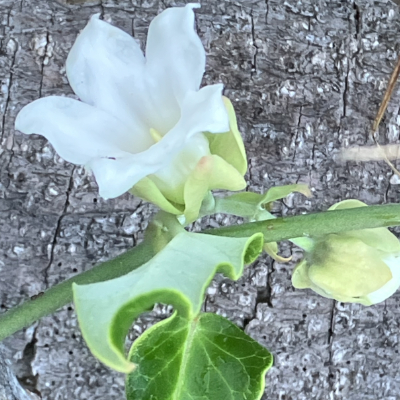
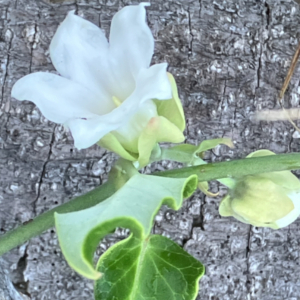
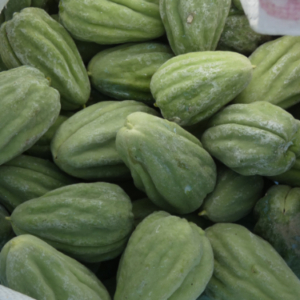
A major one is moth vine, Araujia sericifera. It has a pretty white flower, but the vine grows rapidly, smothering native plants and seeding prolifically. The seed pods in the photo were collected from just one vine. Please remove it if it’s growing in your garden.
Agapanthus might be a pretty and hardy perennial in the garden but becomes a pernicious weed when it escapes into bushland and roadsides. The Triangle’s ‘What’s Growing On’ last month reminded gardeners to deadhead agapanthus. Please make sure, if you have agapanthus growing in your garden, to remove the heads before they mature. Once you are aware that agapanthus is a weed, seeing the number growing on the side of the road is distressing, and it would be great if gardeners removed the entire plant too.
Another popular garden plant that has become a serious weed is polygala.
It is disappointing to see it still being sold in some nurseries and it should also be removed.
There are many more, including asparagus fern, bridal creeper, blackberry, flea bane, deadly nightshade, thistles, cape gooseberry – please make sure none of these are growing in your garden, to help protect our native bushland. And when you dispose of invasive weeds, please do not put them in your green bin – bag them up and add them to your red-lidded bin.
BVSC has an excellent publication called on their website, suggesting alternative plants that people can substitute for weedy ones, as well as weed identification information.
Photos: Moth vine has a pretty flower (above), but the leaves and seeds (below) are poisonous. The latex sap can cause skin and eye irritation and, in some instances, it can cause breathing difficulties. Moth vine seedpods should be bagged and put in the red bin. These pods, each containing hundreds of seeds, were collected from just one vine.
Karen Joynes